Adaptive Calibration of Risks in Hybrid Chance and Athletic Wagering Systems
Written by Bianca Carter · Sep 13, 2026
Adaptive Calibration of Risks in Hybrid Chance and Athletic Wagering Systems
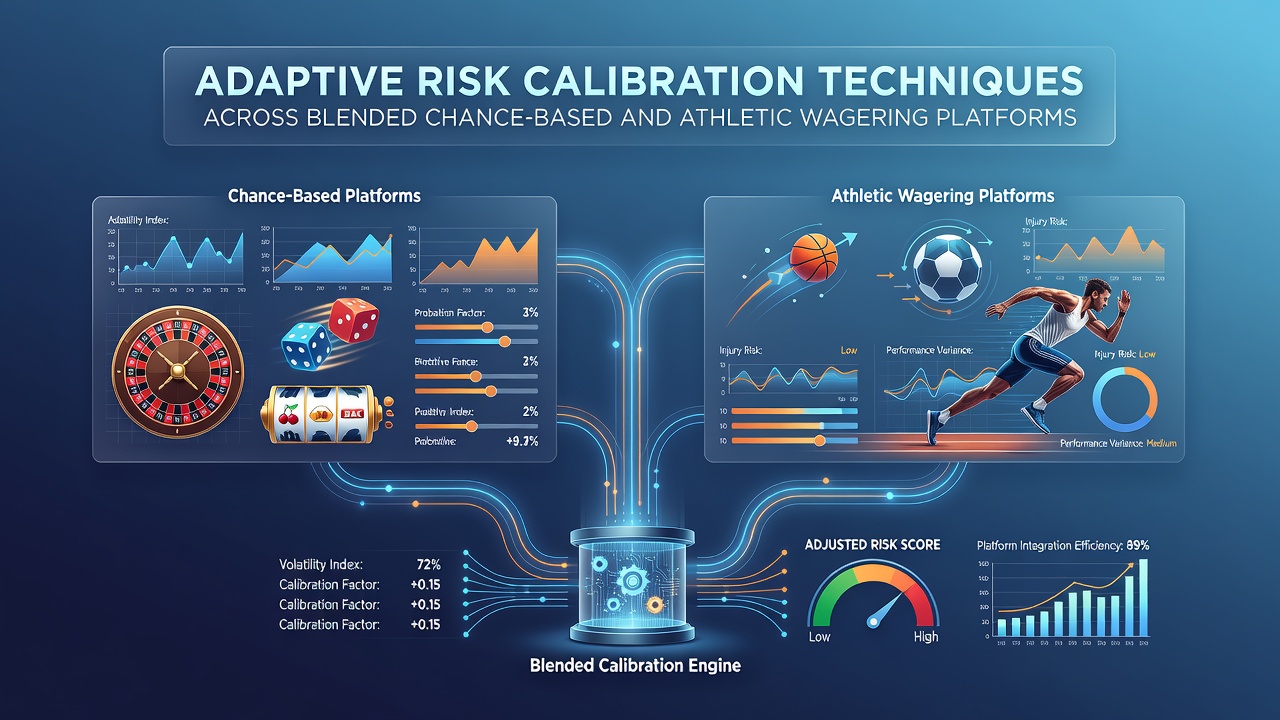
Operators in blended chance-based and athletic wagering platforms rely on adaptive risk calibration techniques to adjust exposure levels as random outcomes intersect with performance-based events, and these methods draw from continuous data streams that include player behavior patterns along with market volatility indicators. Research indicates that platforms handling both slot mechanics and sports event wagers integrate machine learning models to recalibrate thresholds dynamically, which helps maintain operational stability when volume spikes occur in either category.
Core Components of Calibration Frameworks
Calibration systems begin with baseline probability mapping that combines independent random number generators used in chance games with correlated variables from athletic competitions, while algorithms then apply Bayesian updating to refine those maps in response to incoming results. Data shows that such frameworks process thousands of variables per second, including bet sizing distributions and liquidity shifts, and this integration allows platforms to flag potential imbalances before they compound across product types.
Experts at regulatory bodies in multiple regions have documented how these techniques incorporate feedback loops that adjust risk parameters based on historical session data, whereas athletic wagering segments often introduce external factors like injury reports or weather conditions that require separate weighting from pure chance elements. Observers note that successful implementations separate the two data classes initially before merging them into unified exposure models, and this separation prevents one category from skewing thresholds for the other.
Real-Time Adjustment Mechanisms
Platforms deploy real-time adjustment mechanisms that monitor cross-product correlations, such as when a large sports parlay win influences subsequent slot play patterns, and calibration routines then tighten or loosen limits accordingly. Figures from industry reports reveal that operators in North America and Europe have adopted these approaches to handle peak periods, including those observed during major sporting calendars that extend into September 2026.
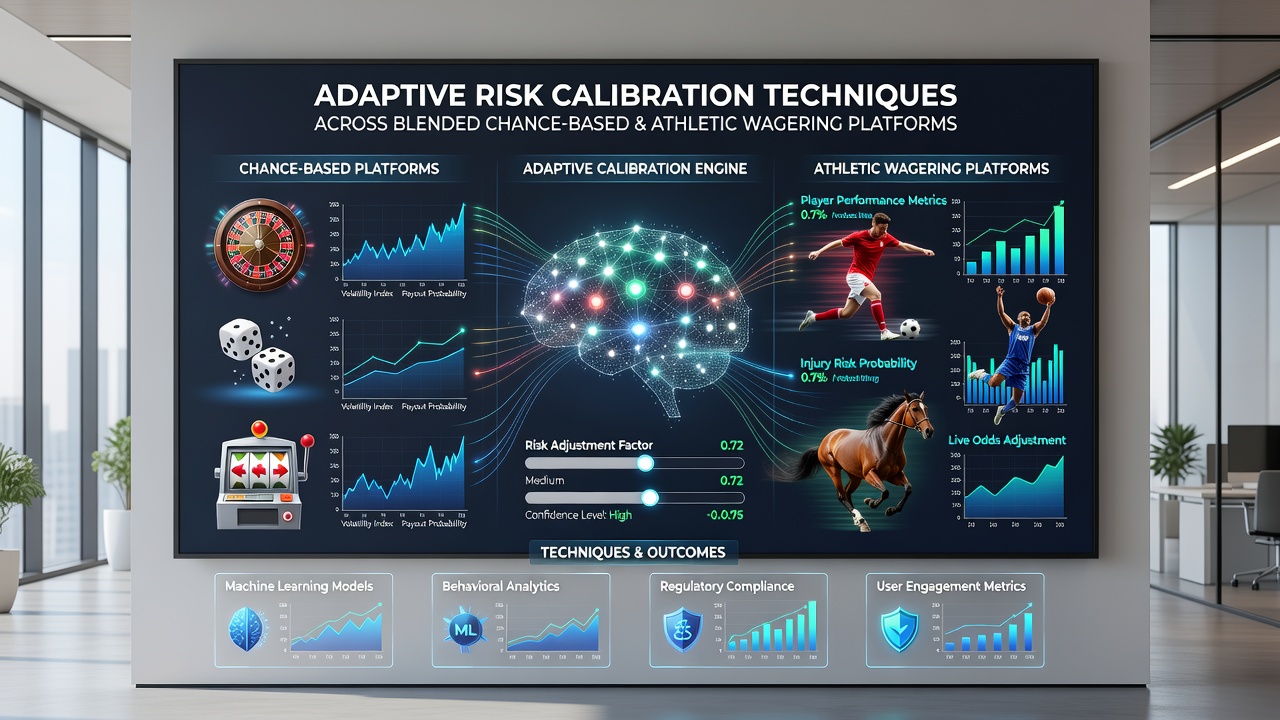
According to findings from the Nevada Gaming Control Board, adaptive models demonstrated measurable reductions in variance exposure when applied across hybrid inventories during recent testing cycles. Those models rely on ensemble methods that combine decision trees with neural network components, allowing them to predict shifts in player risk profiles across both game categories simultaneously.
Integration Challenges and Solutions
Integration of these techniques faces challenges when regulatory requirements differ between chance-based and athletic segments, yet platforms address this by maintaining modular calibration layers that can be updated independently before synchronization occurs. Studies from academic institutions in Australia have examined how time-stamped transaction logs feed into these layers, and the resulting models help operators comply with varying jurisdictional rules while preserving consistent risk posture.
One documented case involved a multi-platform operator that linked encrypted logs from poker tables with slot spin histories and sports event data, which enabled earlier detection of coordinated betting sequences across products. Researchers discovered that such linkages reduced false positive alerts in risk monitoring systems by approximately 30 percent compared to siloed approaches, and this improvement stems from the broader context provided to calibration algorithms.
Regulatory and Industry Context
Regulatory agencies across Canada and the European Union have issued guidance encouraging the use of adaptive calibration in digital environments, and this guidance emphasizes transparency in how models incorporate both random and performance-based inputs. Industry associations report that adoption rates increased notably through 2025 and into September 2026, driven by expanded legal frameworks in additional U.S. states alongside continued growth in international markets.
What's interesting is how smaller operators leverage third-party calibration services that specialize in blended environments, whereas larger entities often develop proprietary systems tailored to their specific product mixes. Data indicates these services draw from aggregated anonymized datasets to train models that generalize across diverse platform configurations.
Conclusion
Adaptive risk calibration techniques continue to evolve as blended wagering platforms expand their offerings, and evidence from regulatory filings and academic analyses shows measurable benefits in exposure management when chance-based and athletic components are modeled together. Platforms that maintain flexible, data-driven calibration processes position themselves to handle increasing complexity in player activity patterns while meeting oversight requirements across regions. Continued refinement of these methods will likely depend on further integration of external data sources and improved computational efficiency in real-time processing environments.